
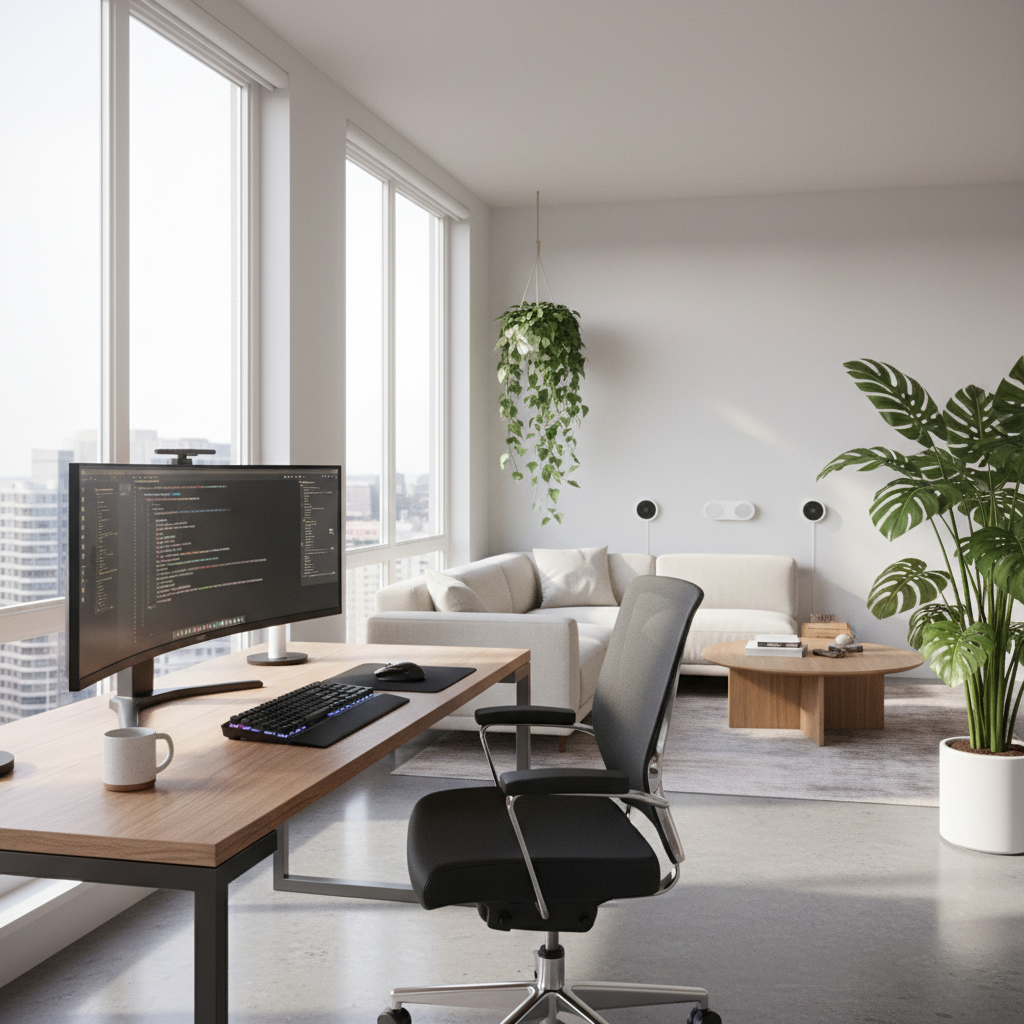
The global rental market is undergoing a significant transformation as the traditional office model fades. For property owners, identifying the Digital Nomad as Your Ideal Tenant is no longer just a trend, but a calculated strategy to secure high-quality occupancy and stable yields. By adapting your property to the specific needs of remote professionals, you can effectively differentiate your offer in a competitive market.
Why Remote Professionals Are Reshaping the Market
Digital nomads typically possess higher disposable incomes and prioritise convenience over long-term ownership. They seek flexible living arrangements that allow them to maintain a high standard of living without the administrative burden of traditional leases. Investors are increasingly investing in micro-apartments vs. medium-term rental to capture this lucrative demographic.
These tenants value high-speed connectivity and functional workspaces above all else. A well-prepared unit can command a premium price if it satisfies the technical requirements of global industries. Furthermore, remote workers often take better care of properties as their home is also their professional workspace.
Essential Infrastructure for the Modern Remote Worker
To attract these tenants, high-speed fibre optic internet is non-negotiable. Reliability is the cornerstone of their professional existence, so providing a secondary backup connection or advanced mesh Wi-Fi systems is a significant advantage. It is also worth noting that smart home technologies for property sales in 2026 have become a standard expectation rather than a luxury.
- Ergonomic workstations: Provide a height-adjustable desk and a professional-grade chair.
- Acoustic comfort: Ensure soundproofing or high-quality windows to minimise external noise.
- Energy efficiency: Implement systems that manage costs effectively, especially in a self-earning home powered by RES and smart sensors.
Location and the 15-Minute City Concept
Remote workers do not commute to offices, but they require easy access to amenities like cafés, gyms, and grocery stores. The growth of 15-minute cities in Poland has made certain urban districts much more attractive to international tenants. Proximity to transport hubs remains important for their frequent travel needs.
Legal Flexibility and Professional Management
Digital nomads often prefer medium-term contracts, typically ranging from three to nine months. Traditional year-long leases may deter this group, so offering flexible terms can significantly reduce vacancy periods. Using professional property management services ensures that the high expectations of these global clients are met promptly.
Are you ready to adapt your property for the global workforce? Contact our consultants to discover how to maximise your ROI with remote-friendly solutions.